

The Poets Roundtable featuring Mark Turcotte and Gordon Henry
Fri, October 23, 2026 7:00 PM - Sat, October 24, 2026 4:00 PM at Kellogg Hotel and Conference Center, 219 S. Harrison Rd., East Lansing, MI
Events Schedule
Book sales provided by EveryBody Reads Books and Stuff both days.
Friday, October 23: Keynote reading by Mark Turcotte and Gordon Henry, Kellogg Center Auditorium.
Free and open to all - No registration required
6:00 p.m.: Doors open for socializing, refreshments and book sales
7:00 p.m.: Reading with book signing to follow
Saturday, October 24: Workshops, 10:00 a.m. - 4:00 p.m.
Register by October 14 to guarantee seating and lunch.
9:00 a.m. - 10:00 a.m. Registration and check-in. A limited number of seats will be available for same-day registrants. Lunch is not guaranteed for same-day registrants.
10:00-10:50 a.m. and 11:00-11:50 a.m., Room 103AB: Run Tall Grass Boys, Seeing the Poetry, with Mark Turcotte
10:00-10:50 a.m. and 11:00-11:50 a.m., Room 104AB: Dream Song<—>Catalogues, led by Gordon Henry
12:00-1:00 p.m. Lunch (provided for registered attendees), Red Cedar AB room
1:00-2:00 p.m., meet in Room 104AB then proceed with group outdoors for writing activities: Zaagichigaade Nibi — The Water is Loved, led by Nichole Keway Biberthen
2:30-3:20 p.m., Room 103AB: What We Carry:Writing Memory, Place, and the Everyday, led by Suban Nur Cooley, Lansing Poet Laureate
2:30-3:20 p.m., Room 104AB: Developing Metaphorical Imagery and Structures in Your Poetry, led by Zoë Johnson
 Recently named as 6th Illinois Poet Laureate, writer Mark Turcotte (Turtle Mountain Band Ojibwe) spent his earliest years on North Dakota's Turtle Mountain Chippewa Reservation and in the migrant camps of the western United States. Later, he grew up in and around Lansing, Michigan.
Turcotte is author of the books, The Feathered Heart; Songs of Our Ancestors; a chapbook, Road Noise; a bilingual collection, Le Chant de la Route; and Exploding Chippewas (Northwestern University Press). His work has appeared in many national and international literary journals and anthologies, including the new and first ever Norton Anthology of Native Nations Poetry. His poem, “Dear New Blood,” was recently featured on the poetry podcast, Poetry Unbound. Turcotte was the recipient of a 2001-2002 Lannan Foundation Literary Award and his work was included in the NEA/Poetry Foundation project Poetry Out Loud.
In 2008 he completed an MFA/Creative Writing from Western Michigan University. He lives in Chicago and since 2009 has been a Senior Lecturer and Distinguished-Writer-In-Residence in the English Department at DePaul University.
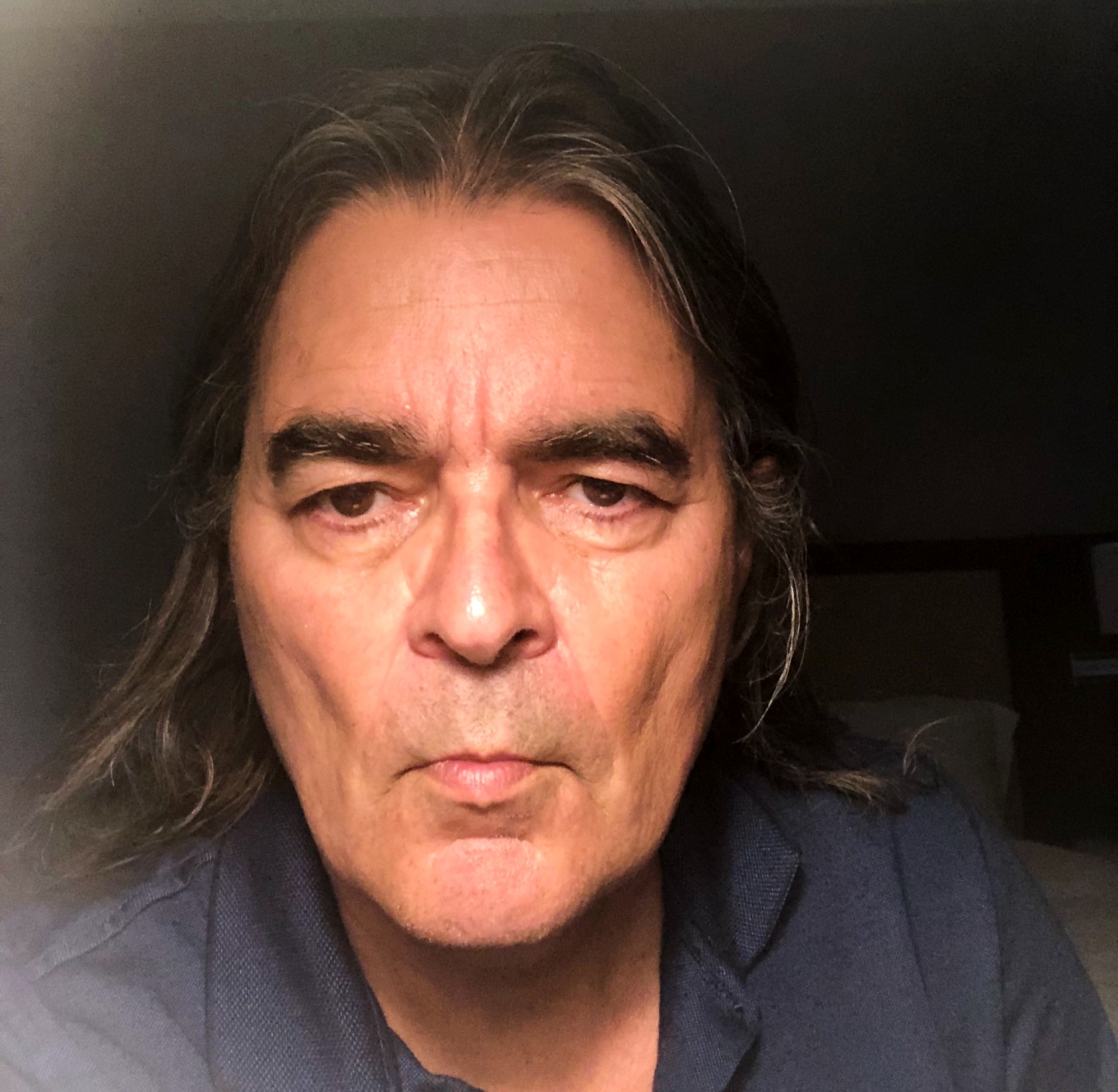
Gordon Henry is an enrolled member/citizen of the White Earth Anishinaabe Nation in Minnesota. Until recently, he served as the Audrey and John C. Leslie, Endowed Chair in American Indian Literature in the English Department at Michigan State University, where he taught American Indian Literature, Creative Writing and the Creative Process, in Integrative Arts and Humanities. He also served as Senior Editor of the American Indian Studies Series (series sub-imprints Mukwa Enewed and Sovereign Traces) at Michigan State University Press. Under his editorship the AISS has published over twenty-five volumes of research, criticism and creative work by an array of scholars, working in a variety of disciplines, related to the larger field of American Indian Studies.
In 1995 he received an American Book Award for his novel the Light People and his poetry, fiction and essays have been published extensively, in the U.S. and Europe. In 2004, he co-published an educational reader on Ojibwe people with George Cornell. In 2007, Henry published a mixed-genre collection, titled The Failure of Certain Charms, with Salt Publishing, out of the U.K. He also co-edited a collection of essays on American Indian Literature, titled Stories through Theory <->Theory through Stories in 2009. His poetry, fiction and critical writing have been published extensively nationally and internationally, as well. His writing has appeared in journals and anthologies, in translation in Spain, Greece, Hungary, Italy, the U.K. and Germany. More recently Professor Henry’s writing has appeared in, Bob Seger’s House, not on the bookshelf, but in the publication by Wayne State University Press, Iperstoria, a literature journal, published at the University or Verona, Italy, Revolucion: A Cuban Journal, of Havana, New Poets of Native Nations, the June 2018 issue of Poetry. He published a critical article on archival matters in Wassafiri in 2018 as well. His poetry was also included in When the Light of the World was Subdued, Our Songs Came Through, published in 2020 and Living Nations, Living Words, 2021. His poetry collection Spirit Matters: White Clay, Red Exits, Distant Others came out in June of 2022.
He is co-editor of Enduring Critical Poses: Life and Letters in Anishinaabe Literature. Further, he has co-edited Not(Just) (an)other, a collection of graphic literature, based on work by Native writers. He is also co-editor, with Ivy Schweitzer, of a 2019 published collection, from the University Press of New England Press. That collection is titled, Afterlives: of the Indigenous Archive. A Catalan translation of his work, The Failure of Certain Charms, was published in October of 2018, by Balandra Edicions in Valencia, Spain. In 2018, 2019 and 2022 Professor Henry, was also appointed as a Gordon Russell, Visiting Professor at Dartmouth College. From Fall of 2024 until Summer of 2026, Professor Henry served as Distinguished Visiting Professor in Humanities and Social Sciences at Northeastern University in Boston.
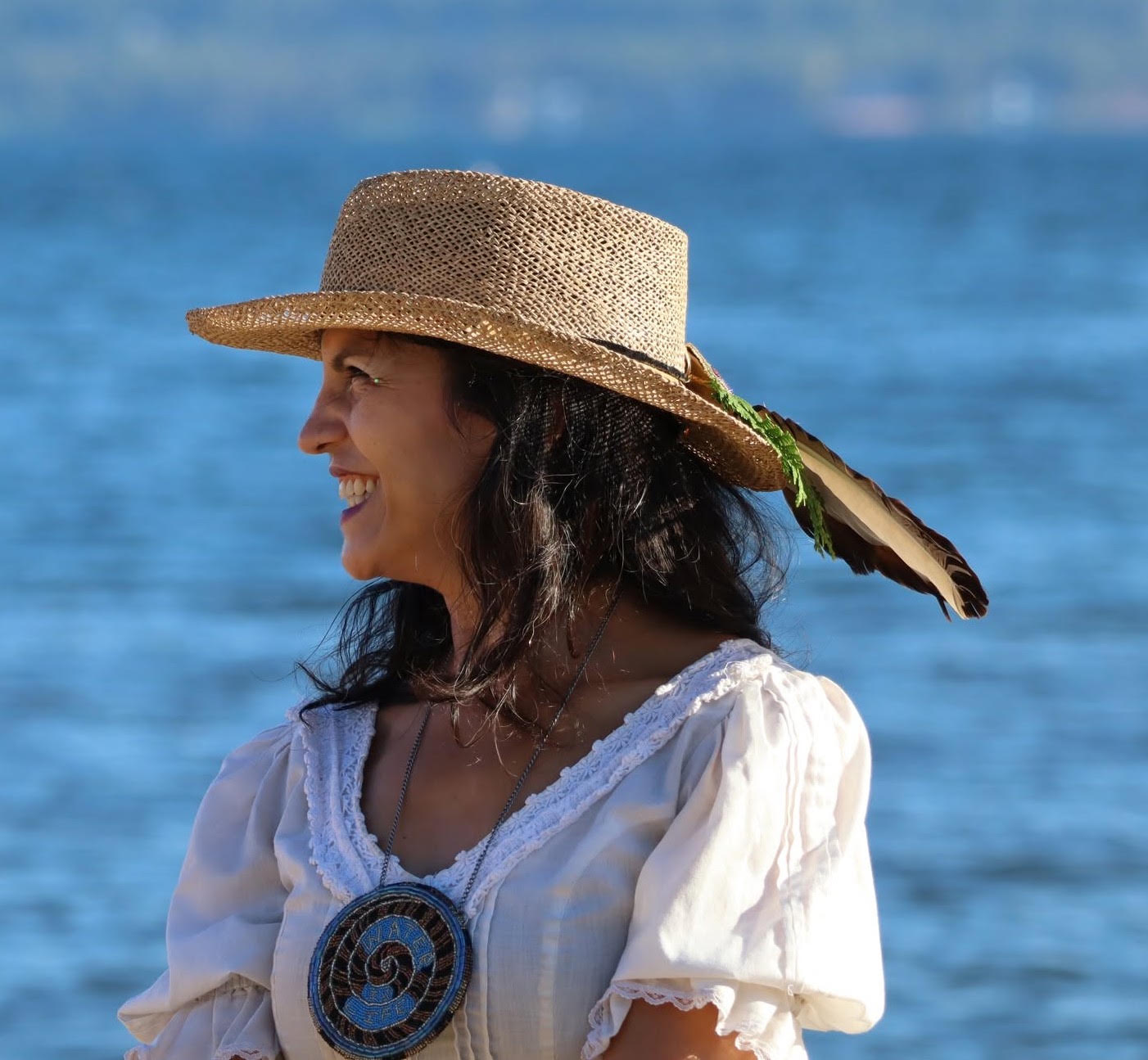 Dr. Nichole Keway Biber is a tribal citizen of the Little Traverse Bay Bands of Odawa Indians, Mishiike Dodem (turtle clan). A longtime grassroots activist uplifting environmental justice as the foundation of healing, she is a Water Protector, jingle dress dancer, and gardener. Nichole works at Clean Water Action as the Water Justice Manager. Her motivating vision is the restoration of biodiverse habitat.
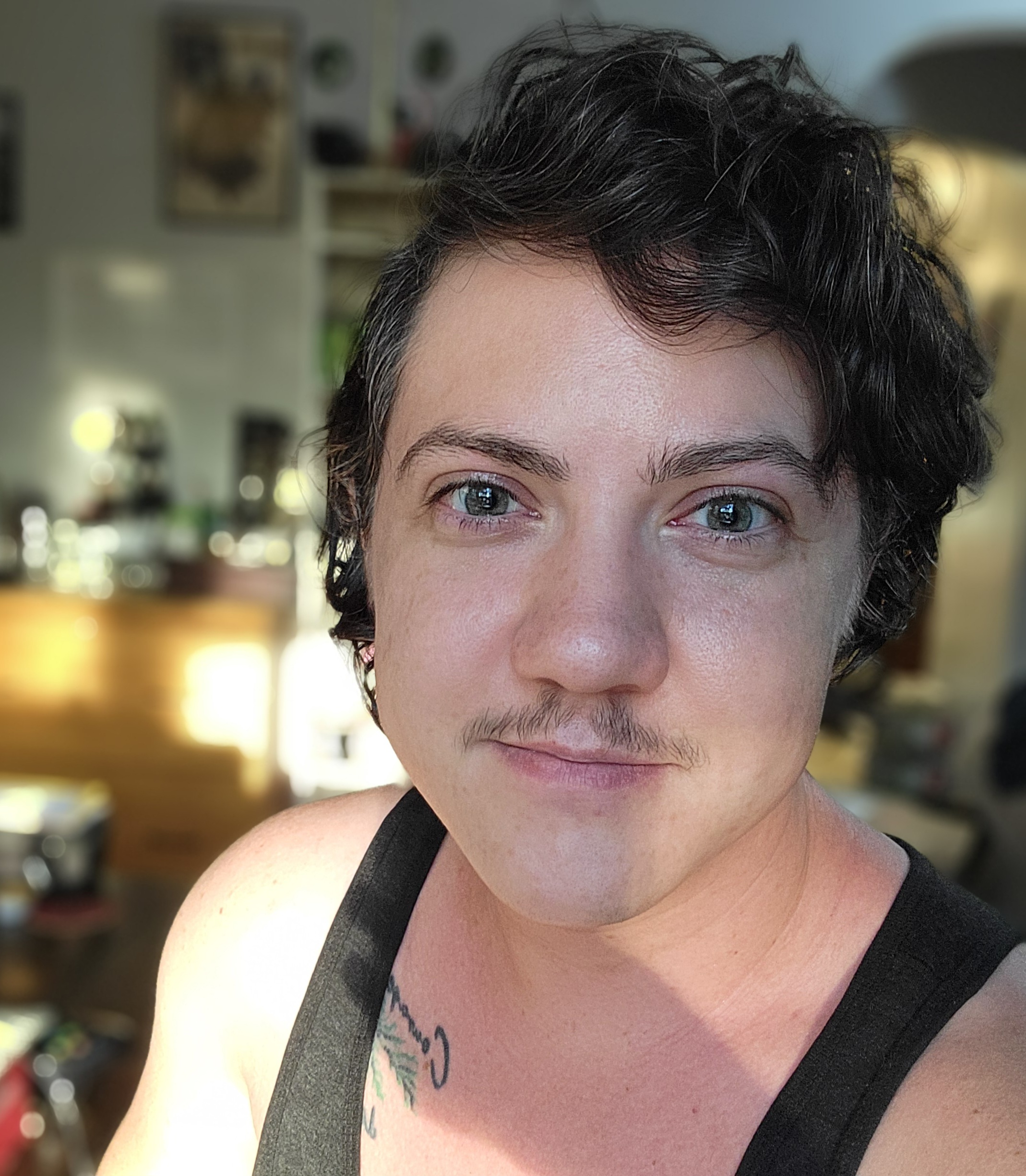 Zoë Johnson is a queer nonbinary Indigenous writer born and living in mid-Michigan and an enrolled citizen of the Sault Ste. Marie Tribe of Chippewa Indians. They received their MFA in creative writing from the Institute of American Indian Arts. They have published works of poetry and short-form prose in literary magazines and anthology collections.
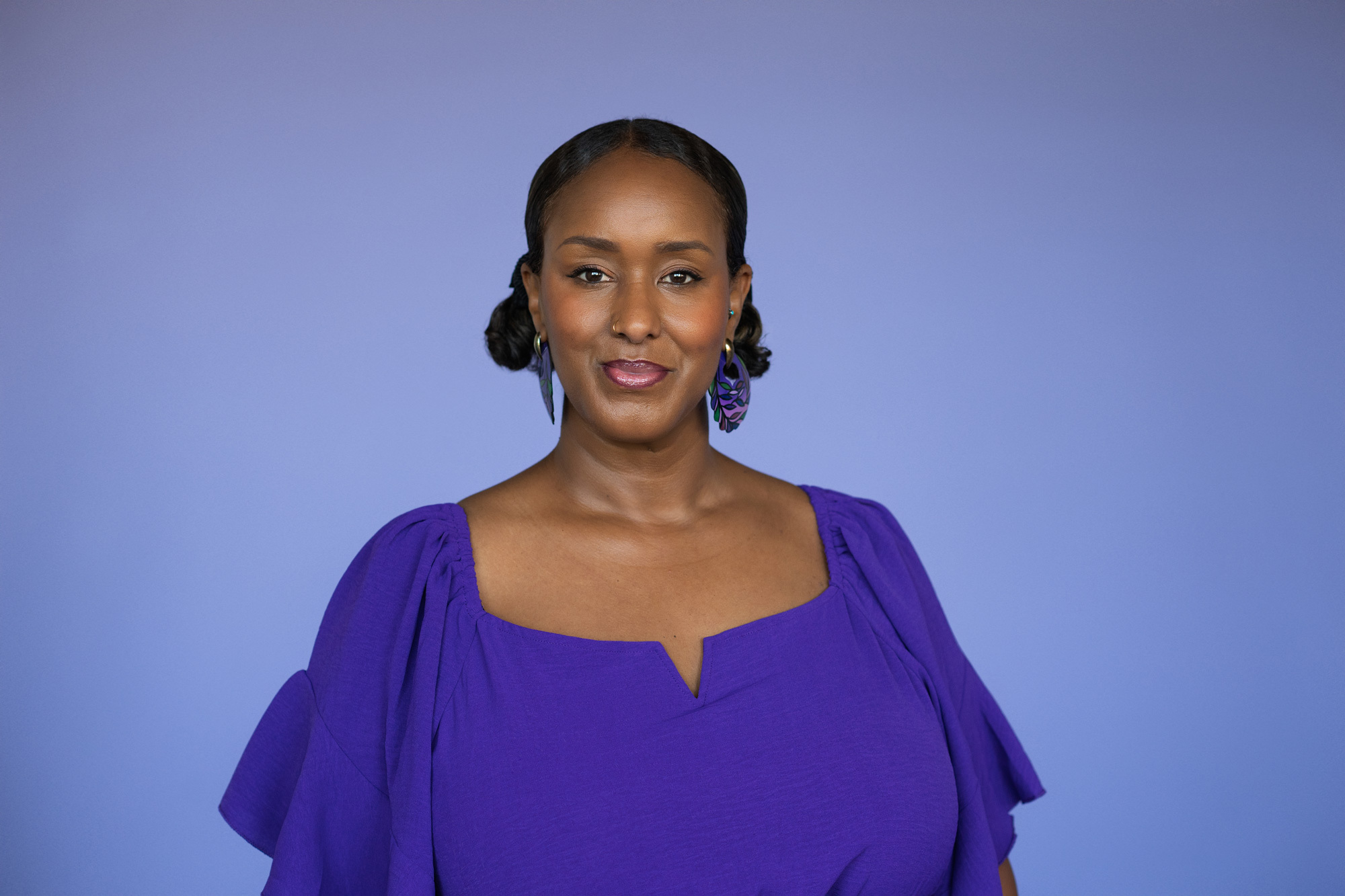 Suban Nur Cooley is a writer/performer and professor based in the Lansing Area. A proud Somali/Australian/American, she worked for many years as a journalist and communications professional for organizations like the Refugee Development Center, Habitat for Humanity of Michigan, and the Michigan League for Public Policy, to name a few. After receiving her PhD in Rhetoric and Writing at Michigan State University, she worked as Assistant Professor of English at New Mexico State University, and currently, she serves as Assistant Professor of African American and African Studies at Michigan State University.
Her dissertation research was a multi-location geographic comparative study which focused on elder women of the Somali diaspora and how migration and displacement can initiate a rhetorical inquiry of one’s culture and identity, manifesting in temporal and spatial constructions of a nation. Her dissertation was selected as the 2021 CCCC James Berlin Memorial Outstanding Dissertation Award.
She is currently working on her first book project, tentatively titled “Carrying Culture: How Somali Women are Rhetorically Remaking and Reimagining Home after Displacement.”